Explore · generative UI
Turn a vibe into a generated mini-adventure.
Ask "Plan a playful Oakland food crawl" and the Explore prompt drives the model to compose a whole surface — a hero, a summary, a mosaic of real places, branches to drill deeper, and an itinerary you can route. Seven components, assembled on demand.
1
A vibe becomes a surface
The Explore prompt steers the model to emit a hero, a summary and a place mosaic — not a paragraph.
2
Places are real
Every card is grounded in Google Places (New): ratings, price, hours and photos for actual venues.
3
Build, then route
Add stops to a persistent itinerary saved with shared_preferences, then hand it off to Transit to route in order.
The 7-component catalog · explore_catalog.dart
hero summary mosaic plan option place_search note
Plan a playful Oakland food crawl
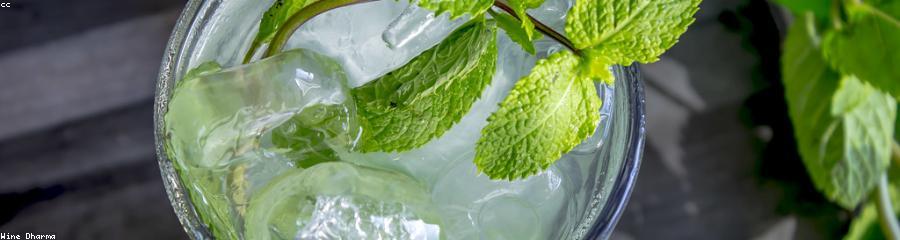
Hero · Oakland
A playful Oakland food crawl
Four hops from Uptown to Jack London Square — snacks, a rooftop, and
dessert — all reachable on the 12th St BART hub and
the B / NL bus.
Branch the plan
More like this Nightlife nearby Cheap eats Make it rainy-day
Place mosaic · Google Places

Snail Bar
★ 4.6 · $$ · Open · til 11pm
+
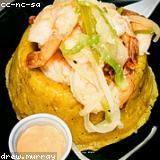
Kingston 11
★ 4.5 · $$ · Open · til 10pm
+

Tara’s Organic
★ 4.7 · $ · Closes 9pm
+
Your itinerary · 4 stops
Saved locally · handoff to Transit
Route in order →